


In her popular 1990 essay, Mirrors, Windows, and Sliding Glass Doors, Dr. Rudine Sims Bishop wrote:
“Books are sometimes windows, offering views of worlds that may be real or imagined, familiar or strange. These windows are also sliding glass doors, and readers have only to walk through in imagination to become part of whatever world has been created or recreated by the author. When lighting conditions are just right, however, a window can also be a mirror. Literature transforms human experience and reflects it back to us, and in that reflection we can see our own lives and experiences as part of a larger human experience.”
Her essay touches on many of the amazing benefits of reading, whether that’s seeing ourselves reflected in a story, entering a perspective we personally are unfamiliar with, or exercising our imagination. And how cool is it that reading empowers individuals of all ages to have these experiences? (Pretty cool, if you ask me.)
But for years, books by or about LGBTQIA+ and people of color have been at the center of the rise in book bans. And in PEN America’s recent report, Facts & Fiction: 2024-25 School Year, the organization documents an increase in bans on nonfiction books, spanning everything from history to science.
Censorship especially threatens Black history. From Stamped by Jason Reynolds and Ibram X. Kendi to The 1619 Project by Nikole Hannah-Jones, stories depicting racism are commonly banned. PEN’s report shows that 22% of banned books cover race and racism, 17% incarceration or negative interactions with police, and 9% immigration and refugees.
Juneteenth is the annual commemoration of the end of slavery in the U.S. and the longest running African American holiday. And while reading, celebrating, and amplifying Black authors and stories about Black history (aka U.S. history) are all important no matter the time of year, Juneteenth serves as yet another opportunity to fight against book—and historical—censorship.
How can we fight book bans that threaten Black history?
- Contact our representatives and share your thoughts on the importance of the freedom to read
- Join your school and/or public library board meetings
- Support Black-owned bookshops and their work championing stories by Black authors
- And support indie bookshops that center banned books, like Loudmouth Books (owned by banned author, Leah Johnson)
- Vote in every election (no matter how big or small)
Looking for audiobooks to read this Juneteenth and beyond?
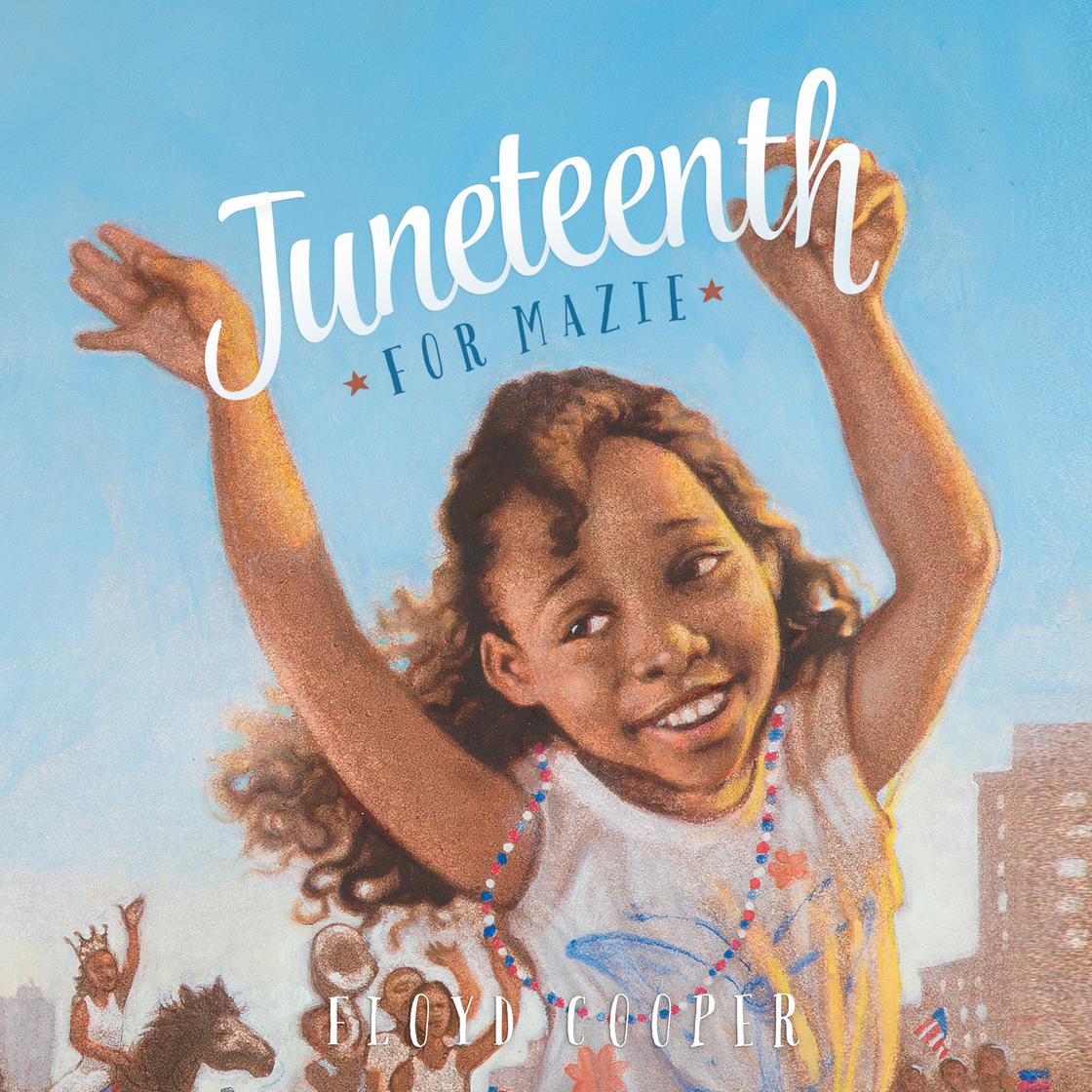
Juneteenth for Mazie
By Floyd Cooper

Caste
By Isabel Wilkerson
On Juneteenth
By Annette Gordon-Reed
How the Word Is Passed
By Clint Smith

The Love Songs of W.E.B. Du Bois
By Honorée Fanonne Jeffers

Red at the Bone
By Jacqueline Woodson
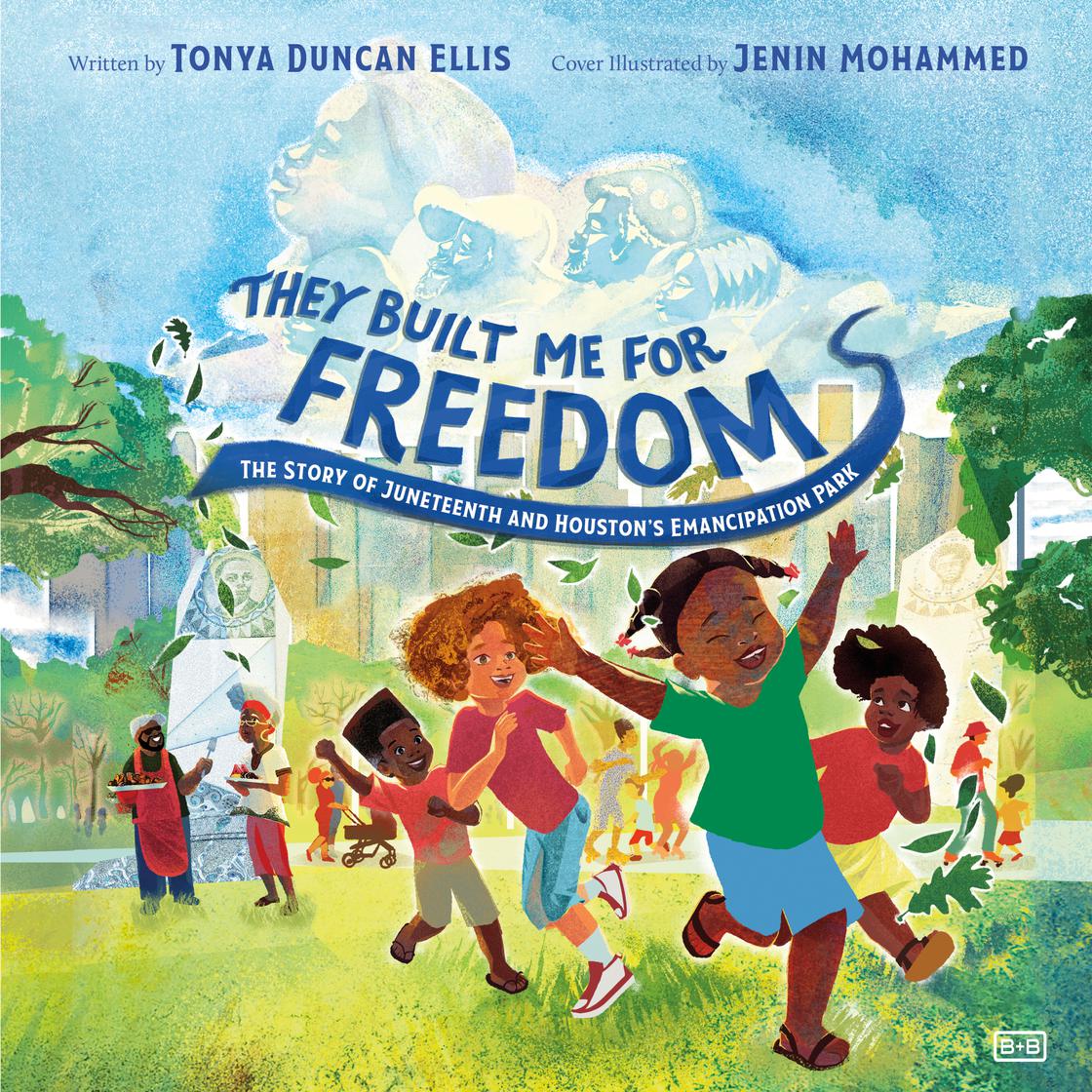
They Built Me for Freedom
By Tonya Duncan Ellis

Black Futures
By Kimberly Drew & Jenna Wortham
As readers, we all know the power of a great book, like Dr. Bishop writes. Let’s take action to make sure that readers for generations to come can too.