
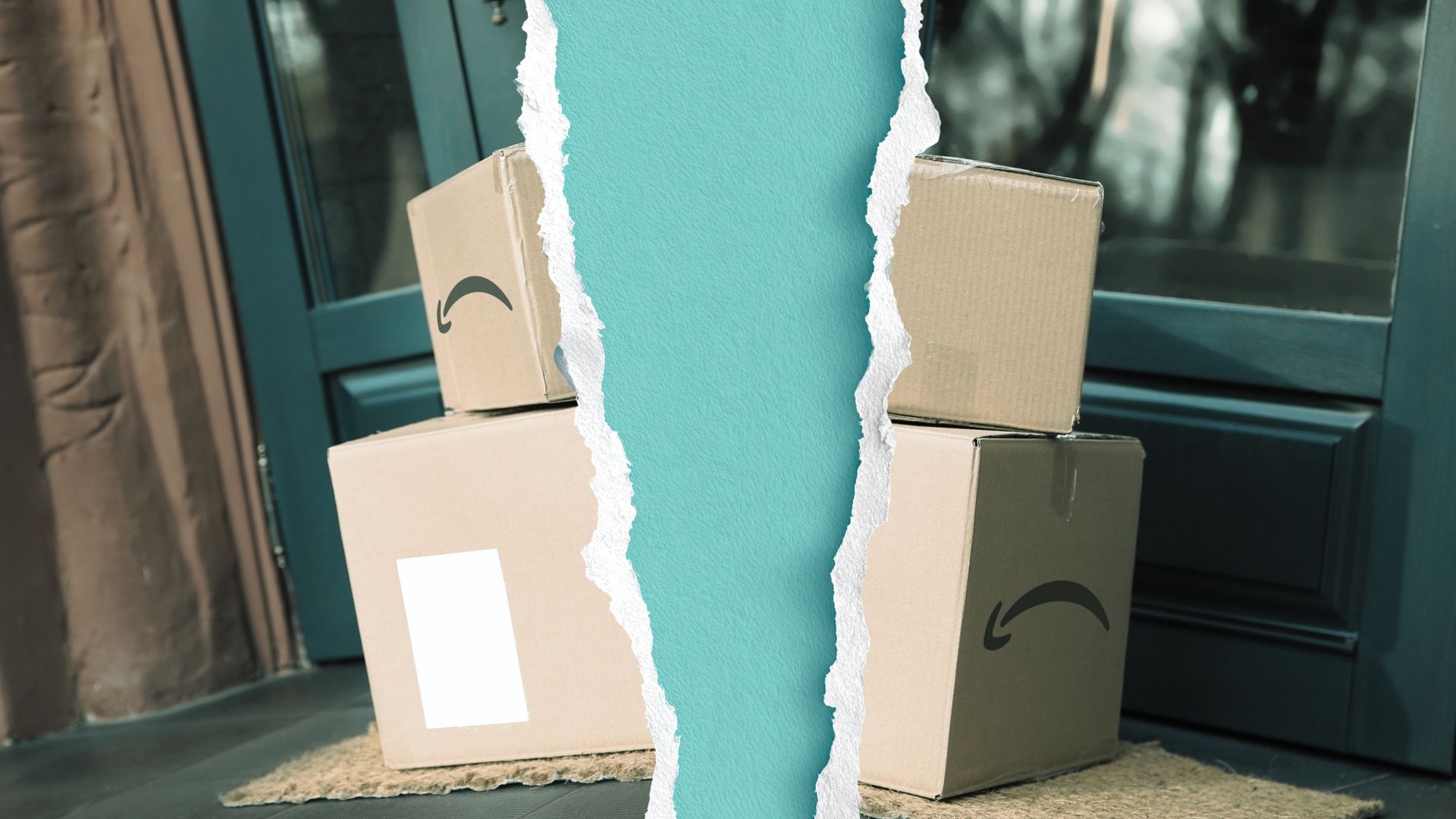
In recent years, as the wealth gap has expanded and people in power have increasingly used that power to exploit and oppress everyone else, consumers have become more aware of which mega corporations are part of the problem. And as this information has spread, particularly via social media, so have impassioned calls for protesting through boycotts. Amazon is often at the center of these conversations, especially when consumers are looking for alternatives.
While Amazon is broadly harmful across many sectors, it poses a unique threat to the book world. Its monopoly on the market allows it to direct sales to and away from authors and publishers, while also edging small independent bookshops out of the market.
As an independent, employee-owned company built around a love of books—as well as a steadfast commitment to supporting independent bookshops and promoting diversity—we at Libro.fm are especially invested in helping folks move away from Amazon.
Here, we’ve put together an explainer on how Audible and Amazon hurt the publishing industry, why readers are leaving, and suggestions for alternatives if you want to leave, too.
Why people are leaving Amazon (and why it matters)
The case against Amazon
In the 30 years since launching as a place to buy books online, Amazon has grown to the point of becoming unavoidable, integrating itself into more aspects of our daily lives—culture, commerce, politics, and healthcare, to name just a few—than consumers might even realize. A company doesn’t become so massive without doing harm, and Amazon’s employees and contract workers take the brunt of it. Amazon is notorious for its exploitative labor practices, and multiple external investigations have revealed their dangerous, inhumane working conditions. A 2022 study revealed that people working at Amazon warehouses were suffering serious injuries at a rate that doubled the industry average. Delivery drivers have to manage impossible quotas while being monitored and assessed through AI cameras. Amazon is one of the worst offenders when it comes to greenhouse emissions and waste. It also helps the U.S. government with surveillance.
Which companies does Amazon actually own
A huge part of Amazon’s influence comes from their expanding into adjacent markets and industries. Amazon has either acquired or bought stake in more than 100 companies internationally, but their connection to these huge brands isn’t always clear. Audible has “an amazon company” in the logo, but for brands like Goodreads, Zappos, Twitch, Whole Foods, Ring, and One Medical, users need to do their own research to figure out where their money is actually going—and what is happening to their data. This means fully divesting from Amazon would require finding a lot of alternatives.
Is a full Amazon boycott realistic?
To us, the real question isn’t whether or not a full boycott is realistic. It’s about what we as individuals can do to divest from Amazon. Maybe that means supporting your local grocer over Whole Foods, or moving from Audible to Libro.fm, or both. We might not be able to divest all at once, but we can start small. When we collectively boycott and move away, we have an impact.
Audiobooks: your first (and easiest) switch
How Audible hurts the book industry
Many Audible users don’t realize Audible is owned by Amazon. Those who do might not realize the negative impact Audible—and Amazon in general—has on the book industry. Since Amazon can sell books at a loss, they’re able to drop prices way below what independent bookstores can offer. But booksellers, unlike Amazon, are dependent on these sales—and so are many others in the publishing ecosystem. In a 2024 article at The Nation about Amazon’s publishing monopoly, writers Sandeep Vaheesan and Tara Pincock called Amazon’s influence “a death grip on the book market,” describing its history of punishing publishers that don’t play by their rules through shipping delays or falsely claiming certain books are out of stock. Because of this, Amazon has disproportionate sway on the literary marketplace and a huge impact on which books are successful and what readers read.
This kind of gatekeeping is even more extreme when it comes to Audible Exclusives. As recently described in a viral video by the Columbus Metropolitan Library, libraries cannot distribute audiobooks that are Audible Exclusives. That’s also the case for bookshops, schools, and anyone who isn’t affiliated with Amazon. Libro.fm can’t distribute Audible Exclusive audiobooks, which means our 4,000+ bookstore partners can’t, either. These are often massive bestsellers, and these bookshops are blocked from likely sales—and vital income. Audible is also notorious for its convoluted and unreliable compensation setup, which disproportionately hurts indie writers. There’s a reason big name authors are fighting back.
Libro.fm: Audiobooks that support your local bookstore
At Libro.fm, the only independent audiobook platform, we are committed to sharing profits with our bookshop partners around the globe, helping our listeners diversify their reading habits, and providing an accessible and customer-driven platform. Whether you’re buying a membership, a credit bundle, or a single audiobook, a portion of that sale goes toward the indie bookshop of your choice and supports its survival.
How to switch from Audible to Libro.fm
So happy you asked! There are multiple ways to buy audiobooks from Libro.fm, and multiple ways to listen to them. You can purchase one of our three membership options or purchase à la carte. We recommend listening through our app or web player, but we’re also Digital Rights Management (DRM) free. This means you can download the files and play them wherever you’d like.
Free audiobooks from libraries—the original Amazon alternative
Lest we forget the most affordable, accessible alternative to Audible, we must shout out our wonderful public libraries. Amazon is cheap, but libraries are free. Plus, every time you use your library card you’re helping them make the case for their importance—which is extremely important when budget decisions come around. And it’s easier than ever to take advantage of your patronage. Just ask your local librarian how to get started.
Books: where to get without Amazon
Independent bookshops, online and local
A clear Amazon alternative is an independent bookshop. The most straightforward way to support your local shop is walking in and buying something, but many sell their books (and more) online as well. Any sale helps that bookshop keep its doors open, which, as anyone who loves reading probably knows, is vital to the local community. Bookshops are some of the last remaining “third places,” offering space outside of home or work to simply hang out with friends. There’s a good chance you can find free events and resources at your local shop, too.
Public libraries
In addition to grabbing audiobooks through your public library, you can, of course, check out physical books. They have so much to offer, and librarians have great recommendations based on what you’re looking for!
Secondhand options: Biblio, Better World Books, and local used bookshops
There’s really nothing like spending a few uninterrupted hours browsing an independent used bookshop. They’re are the best for discovery, and no two shops are alike. Each one is filled with hidden gems and an inventory built around both the owner’s taste and the community’s interests. But if you’re looking for a specific out-of-print book (or just a cheaper version of a modern one) there are plenty of online alternatives to Amazon. Biblio is a used, rare, and out-of-print online marketplace that allows users to search multiple used bookshops at once, and sites like Better World Books and ThriftBooks offer both new and used books at significantly discounted prices.
Where and how we spend our money matters, even if our individual purchases seem like an insignificant amount.
At a time when many people are searching for ways to make a difference, boycotting is a small but impactful method of protest and a way toward strengthening communities. And even if a behemoth like Amazon doesn’t feel the loss of a single customer, it will make a world of a difference to the small business that gains a new one.